
Rodent Exclusion & Seal-Out.
We don't just trap them. We seal your home so they can't come back.
Mice, rats, and pack rats don't stop at traps. As long as the entry points exist, new rodents will keep coming. We find every gap, every chew point, every overlooked penetration — and seal your home permanently using professional-grade galvanized mesh, copper, and bronze. Most homes finished in a single visit.
📞 Call 970-694-8280Trapping Is Temporary.
Exclusion Is Permanent.
Most rodent control companies set traps, collect the dead, and come back next month to do it again. That's not pest control — that's a subscription service built on a problem that never gets fixed. As long as a single gap exists in your foundation, roofline, crawlspace vents, or utility penetrations, new rodents will move in the moment the old ones are gone.
Our approach is fundamentally different. We treat rodent removal as a structural problem, not a population management problem. We inspect your entire home — crawlspace, attic, roofline, foundation, siding, and every pipe and wire that passes through an exterior wall — find every active entry point, and seal it using materials rodents cannot chew through. Galvanized steel mesh, copper, bronze, and exterior-grade sealants built to outlast the rodents and the next generation of rodents trying to get in.
We Go Where Other Companies Won't
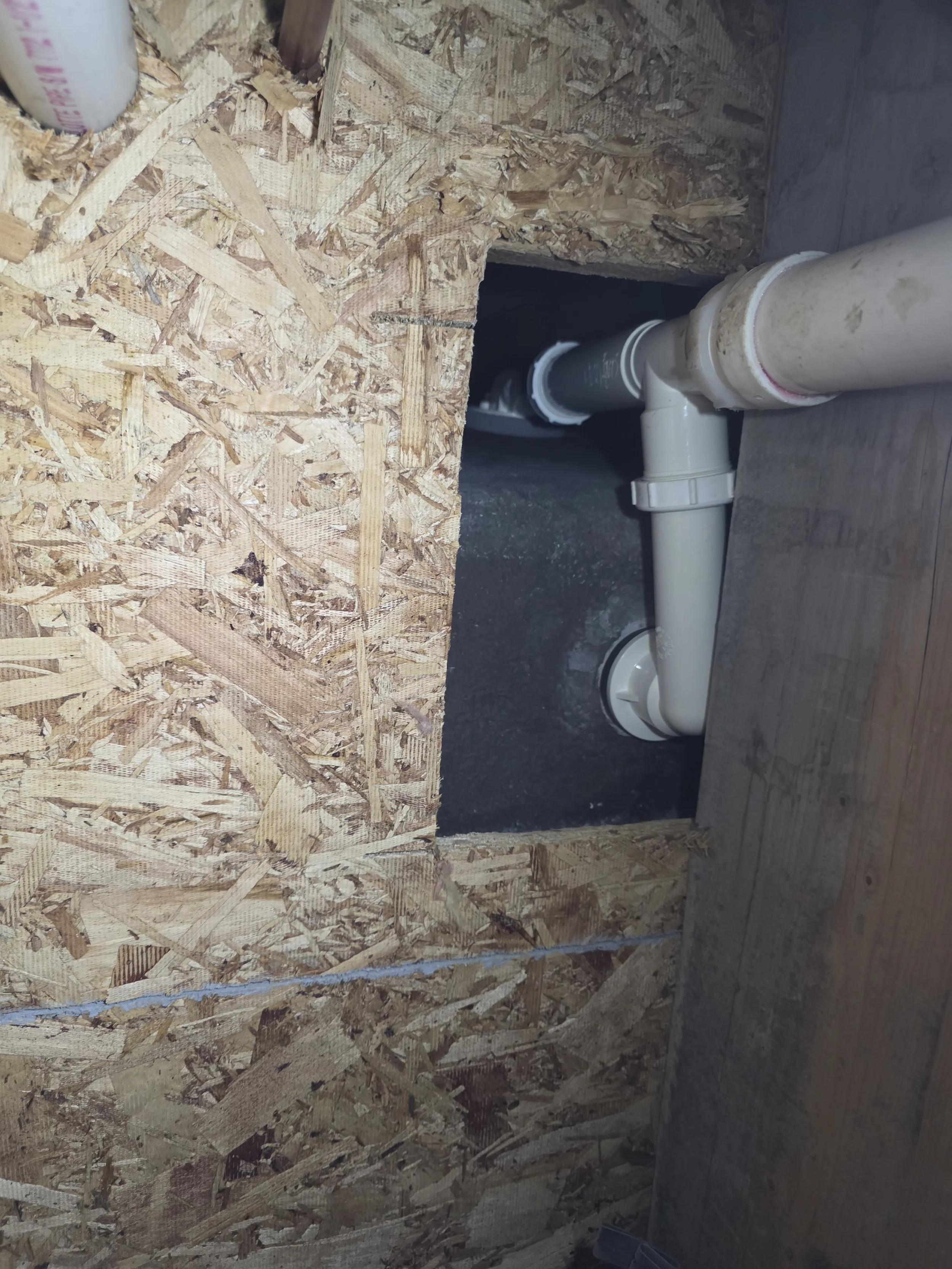
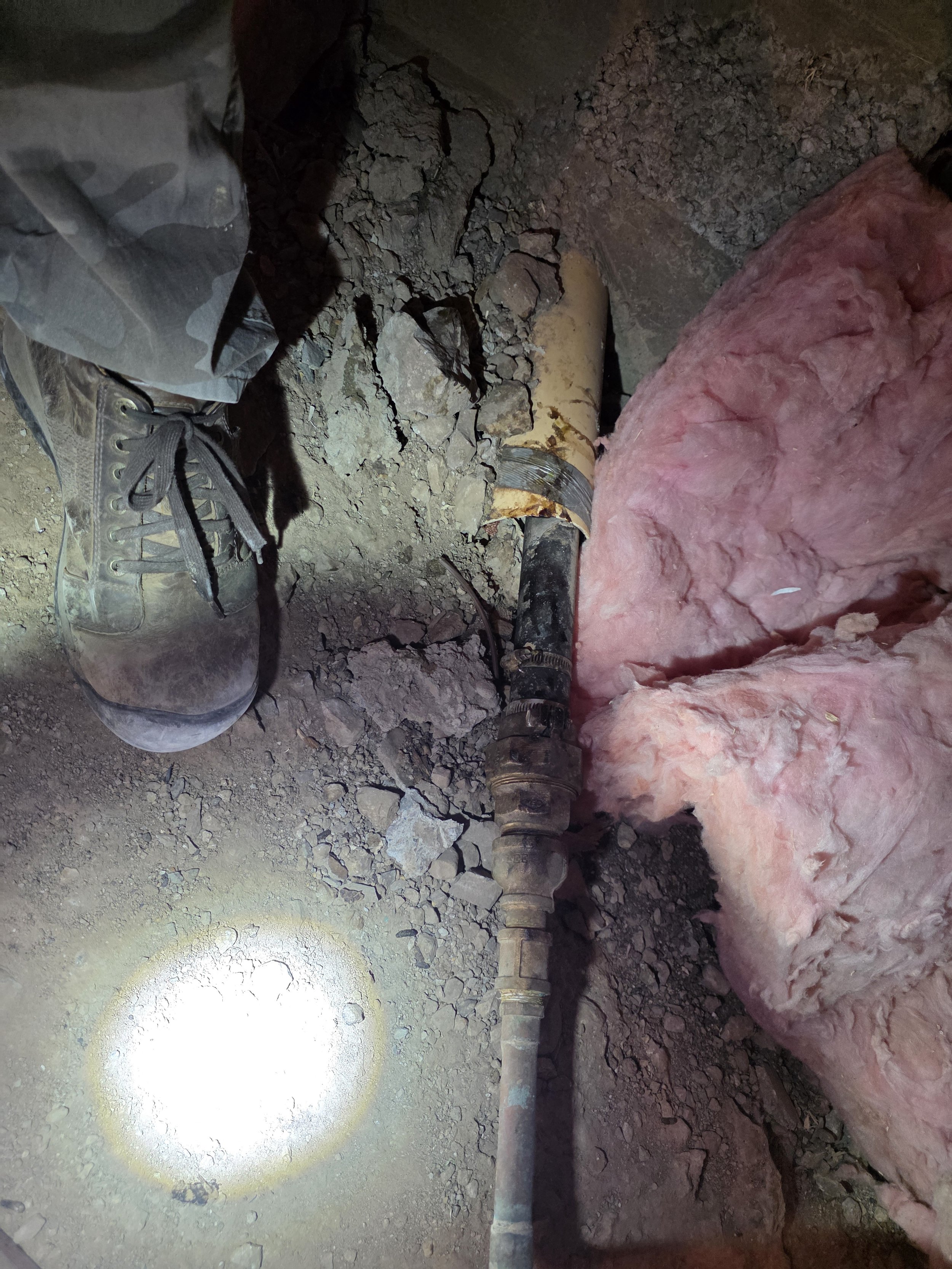
Tight crawlspaces, steep rooflines, buried utility penetrations, stem walls that require excavation — we get into the spaces that explain why your rodent problem keeps coming back despite someone else's trapping service. The entry point under the deck that floods in spring. The gap behind the HVAC unit that hasn't been touched in ten years. The foam around the plumbing stack that rodents chewed through last winter. We find it. We fix it.
What We Actually Find in Durango Homes
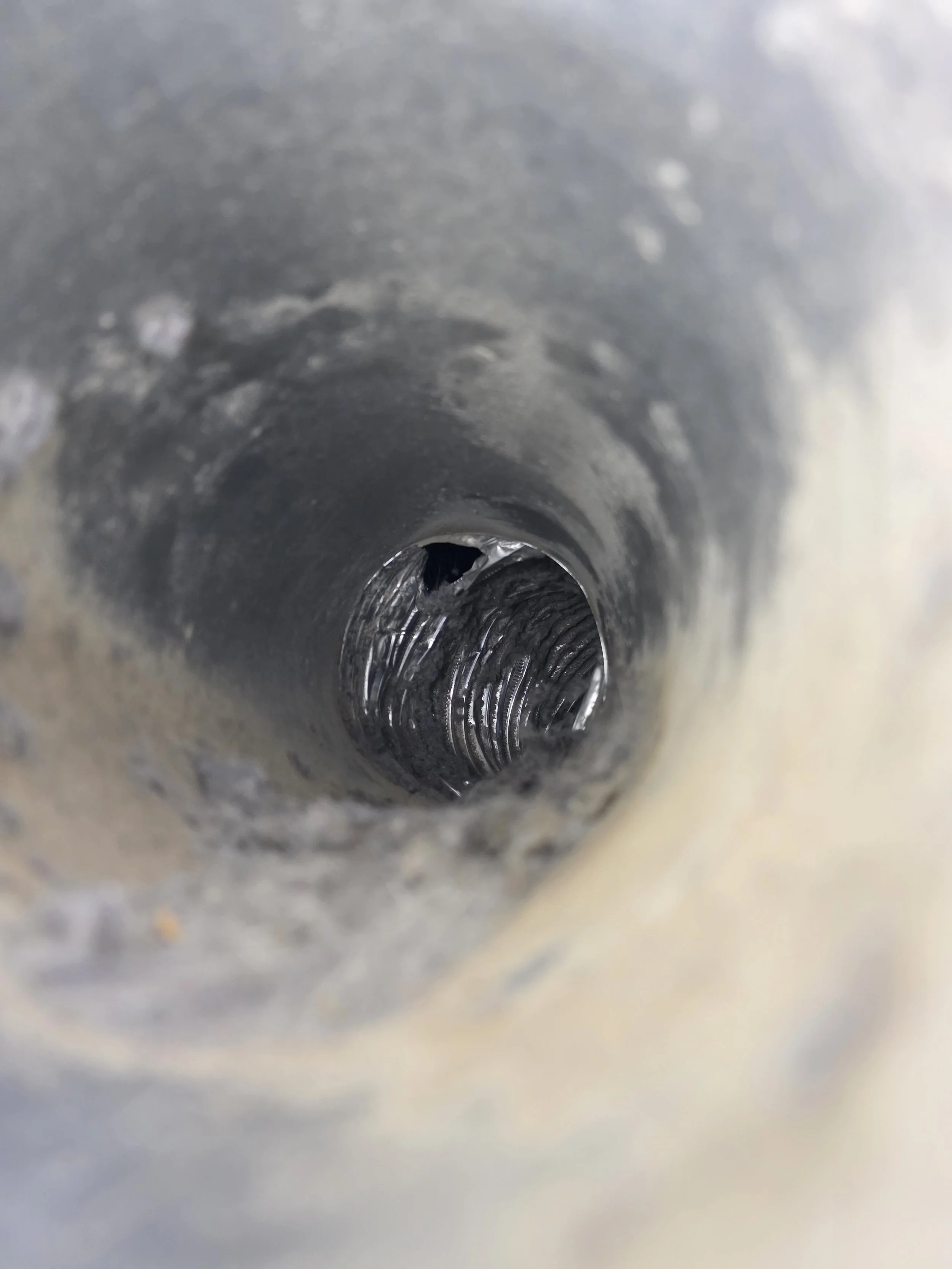
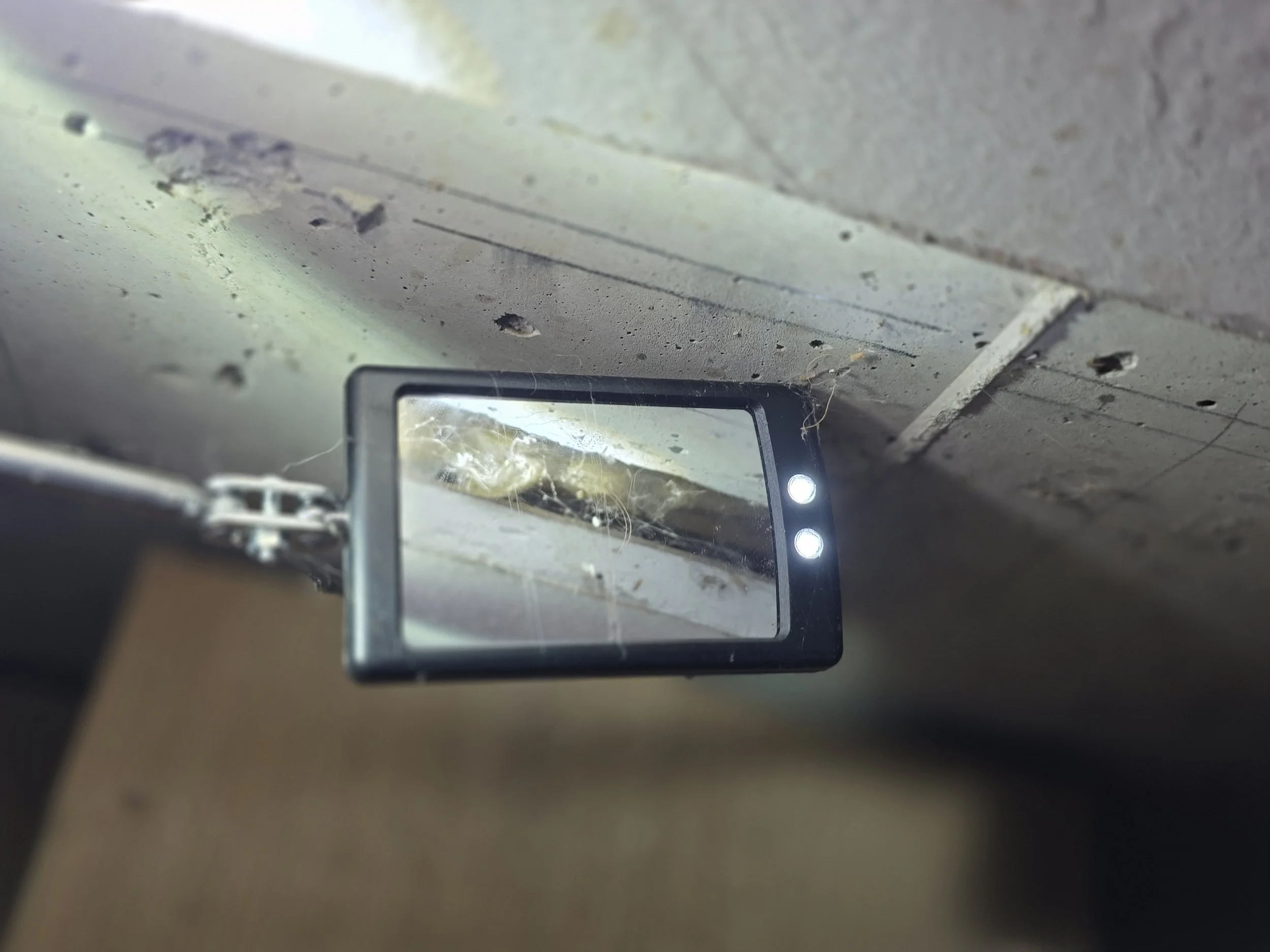
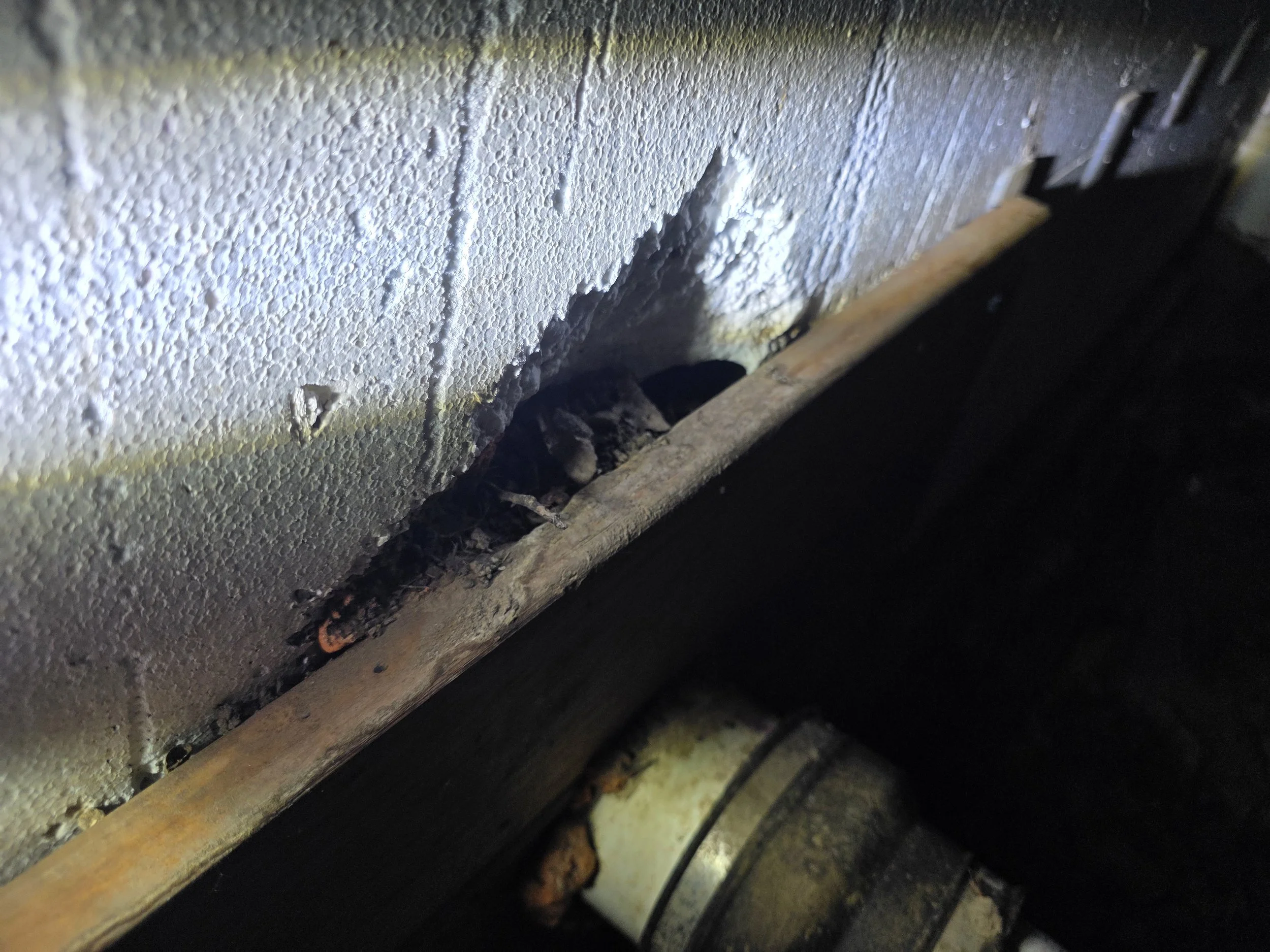
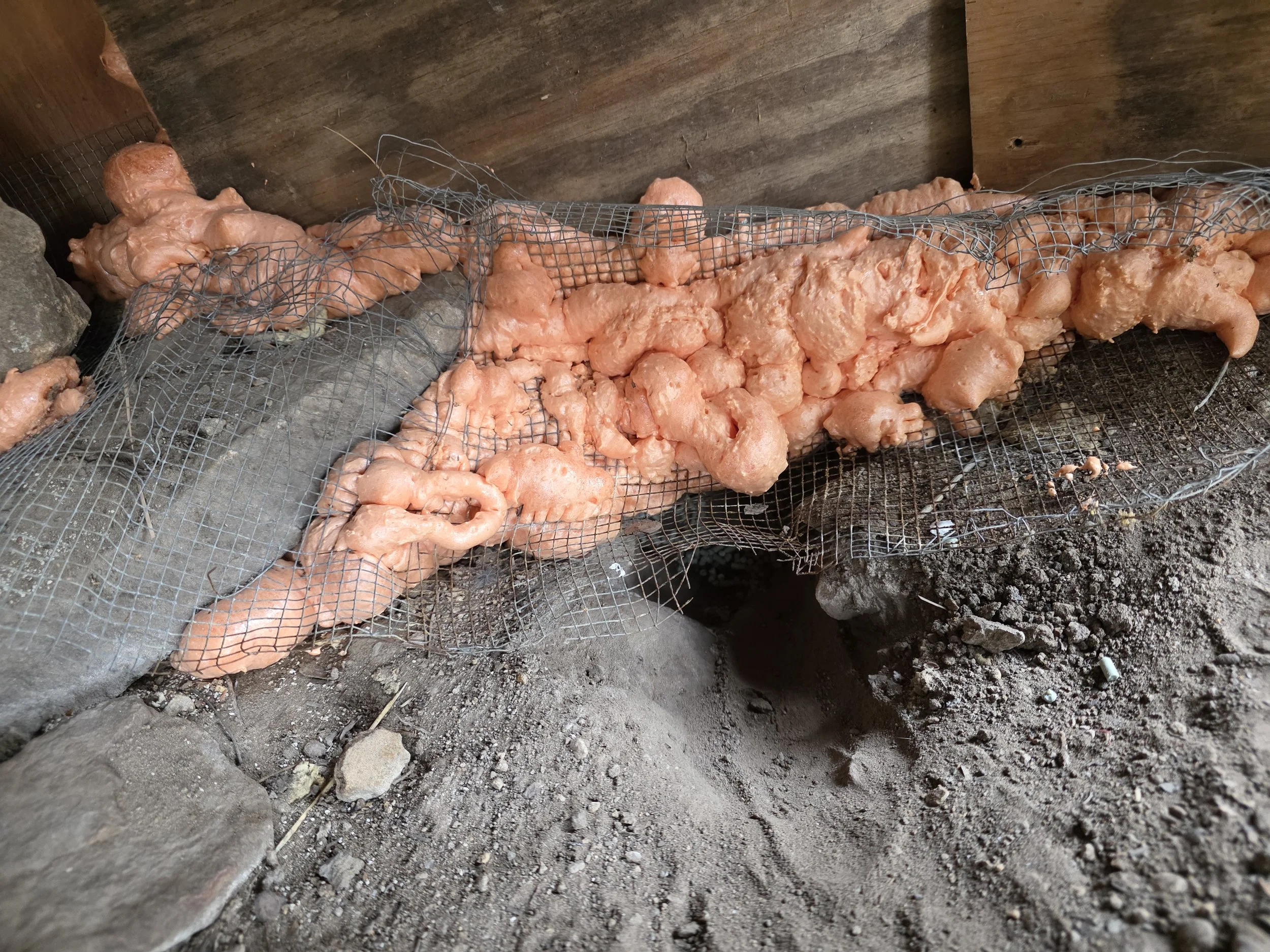
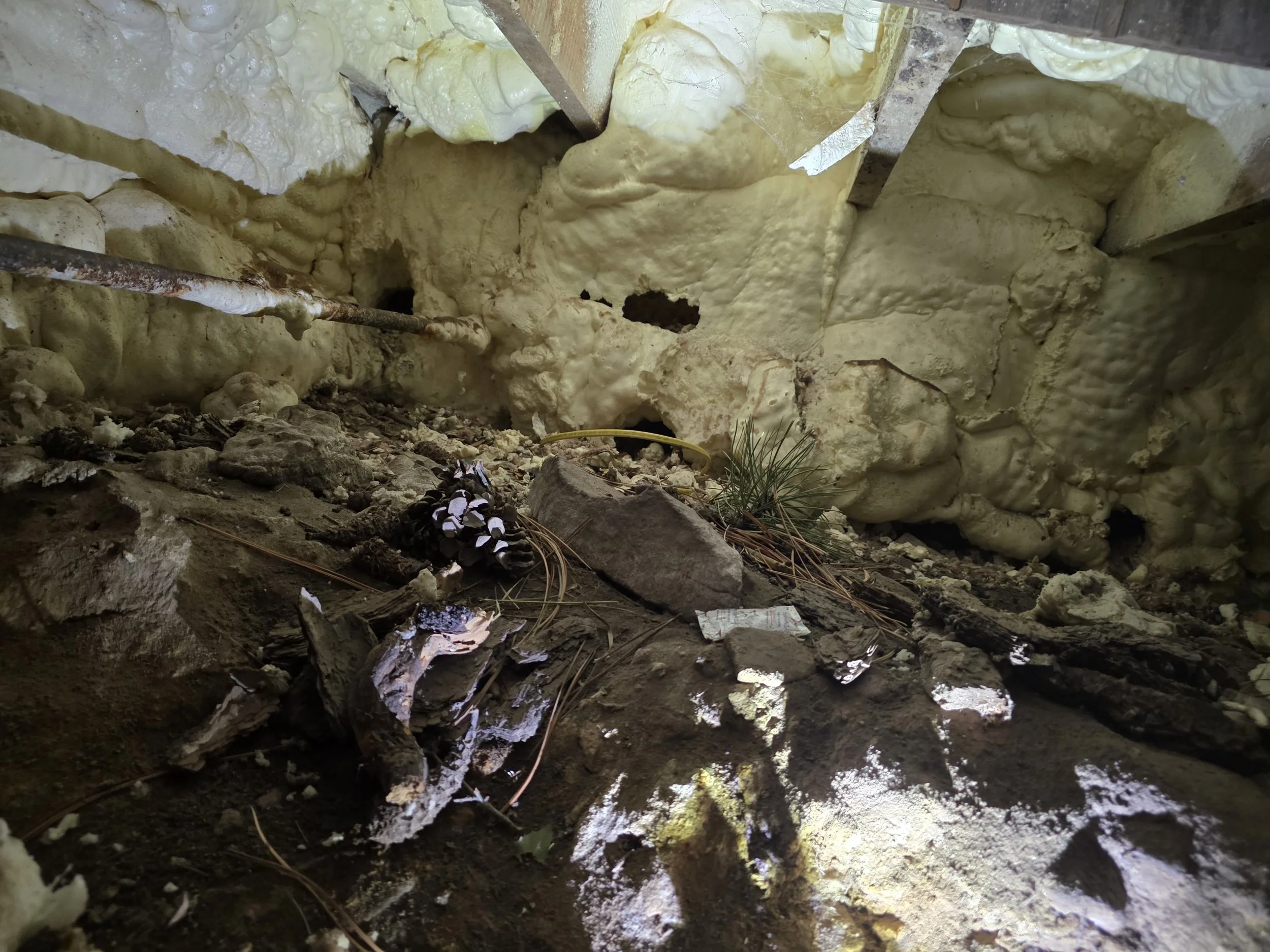
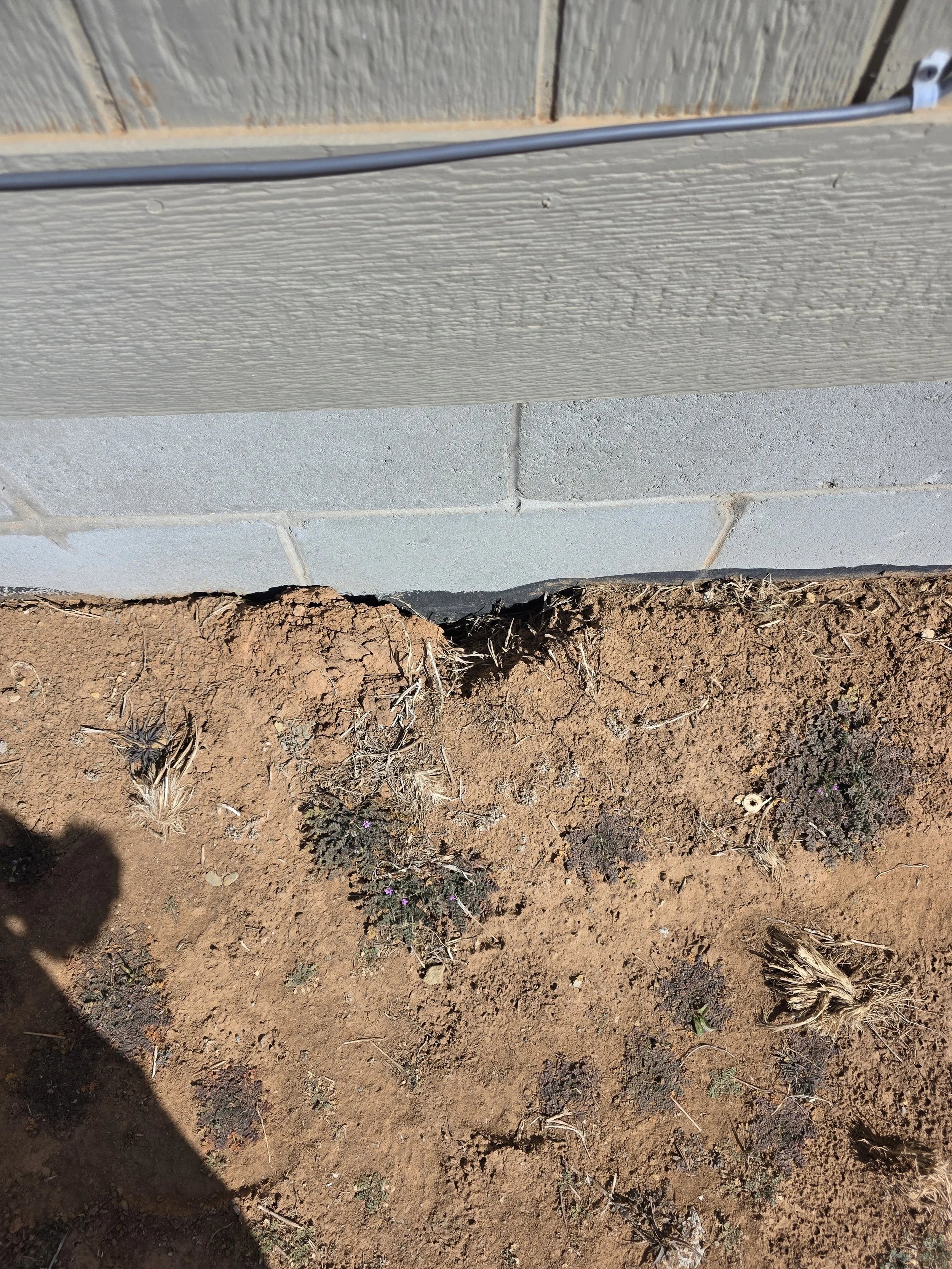
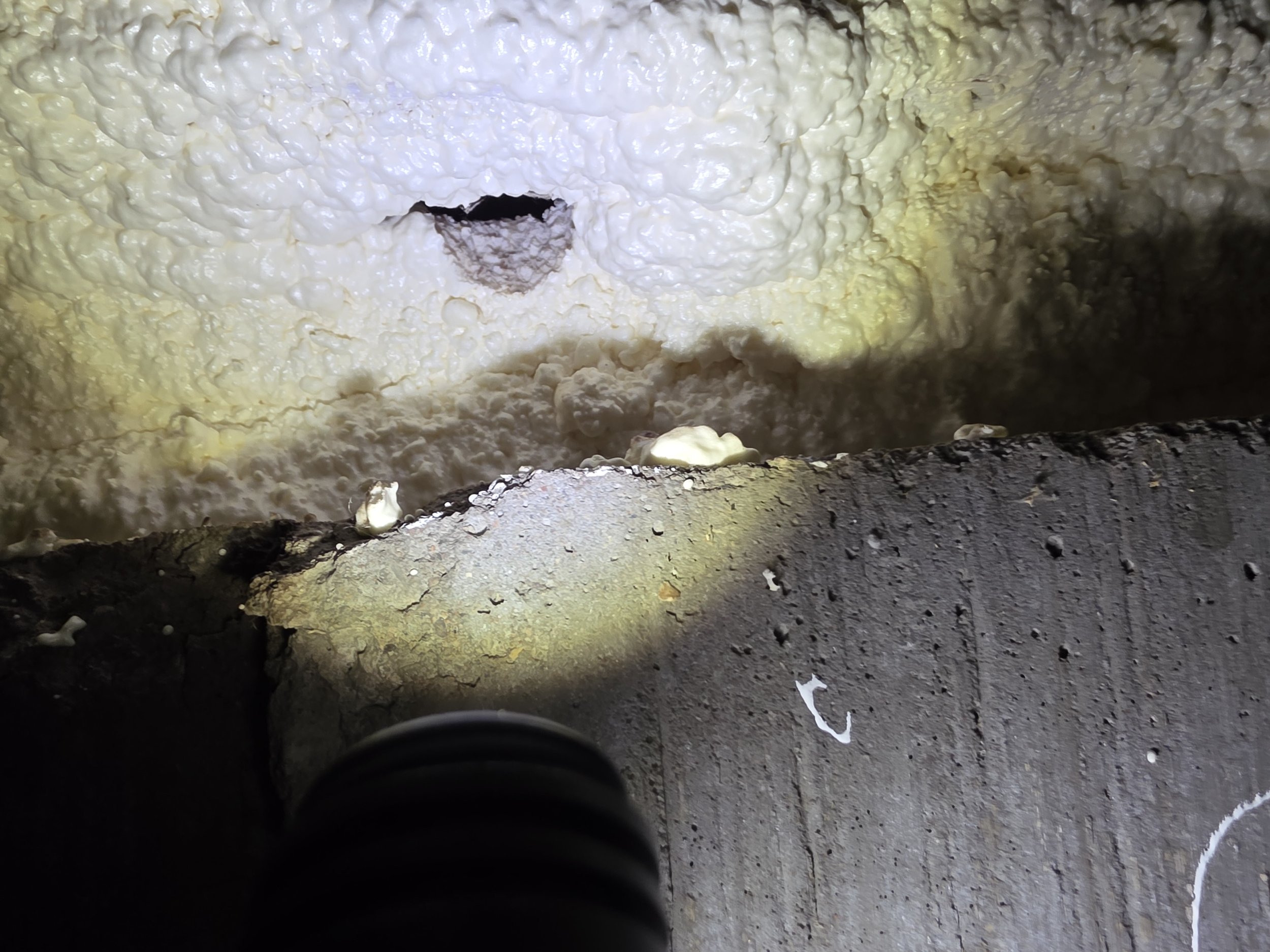
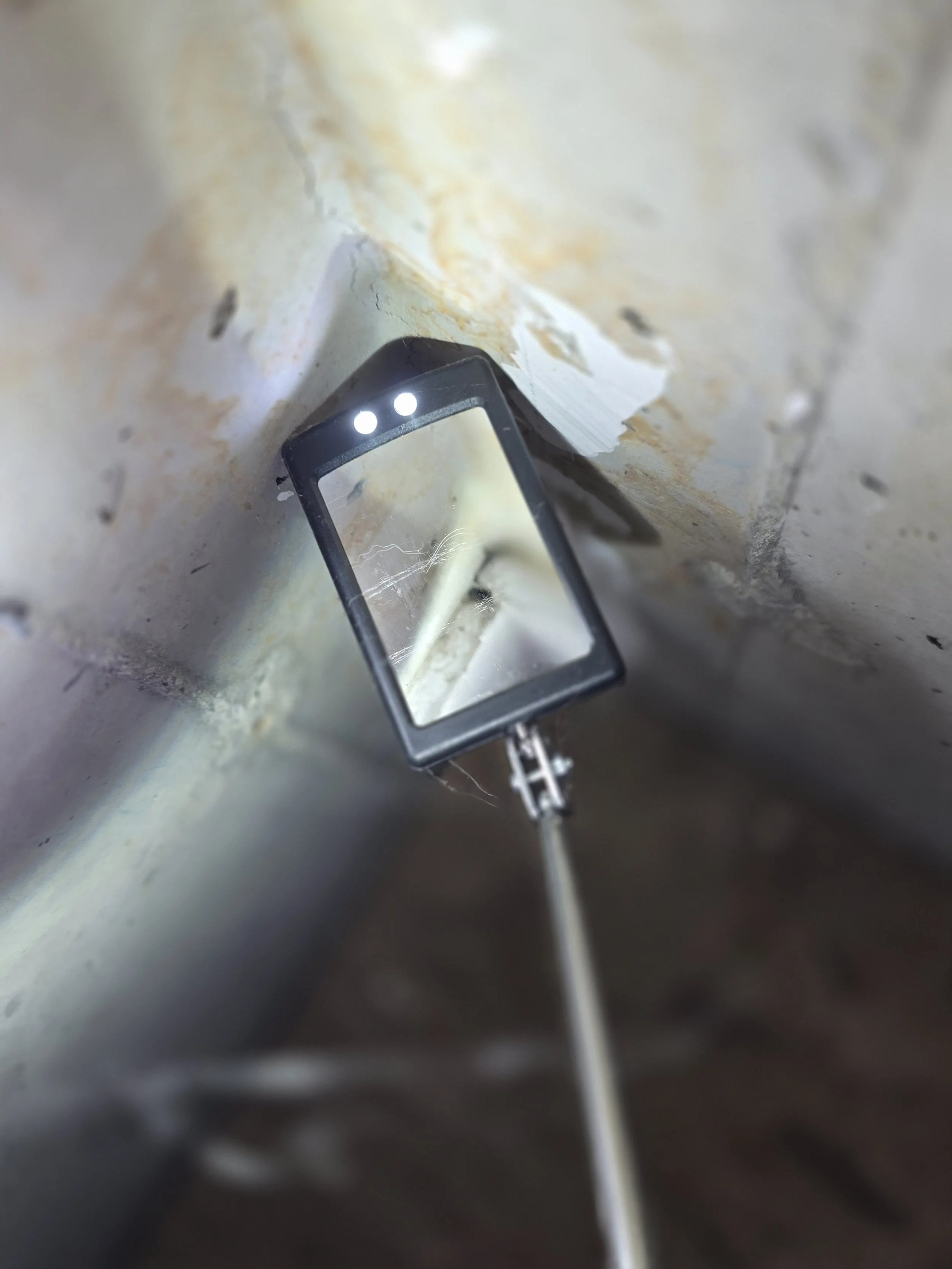
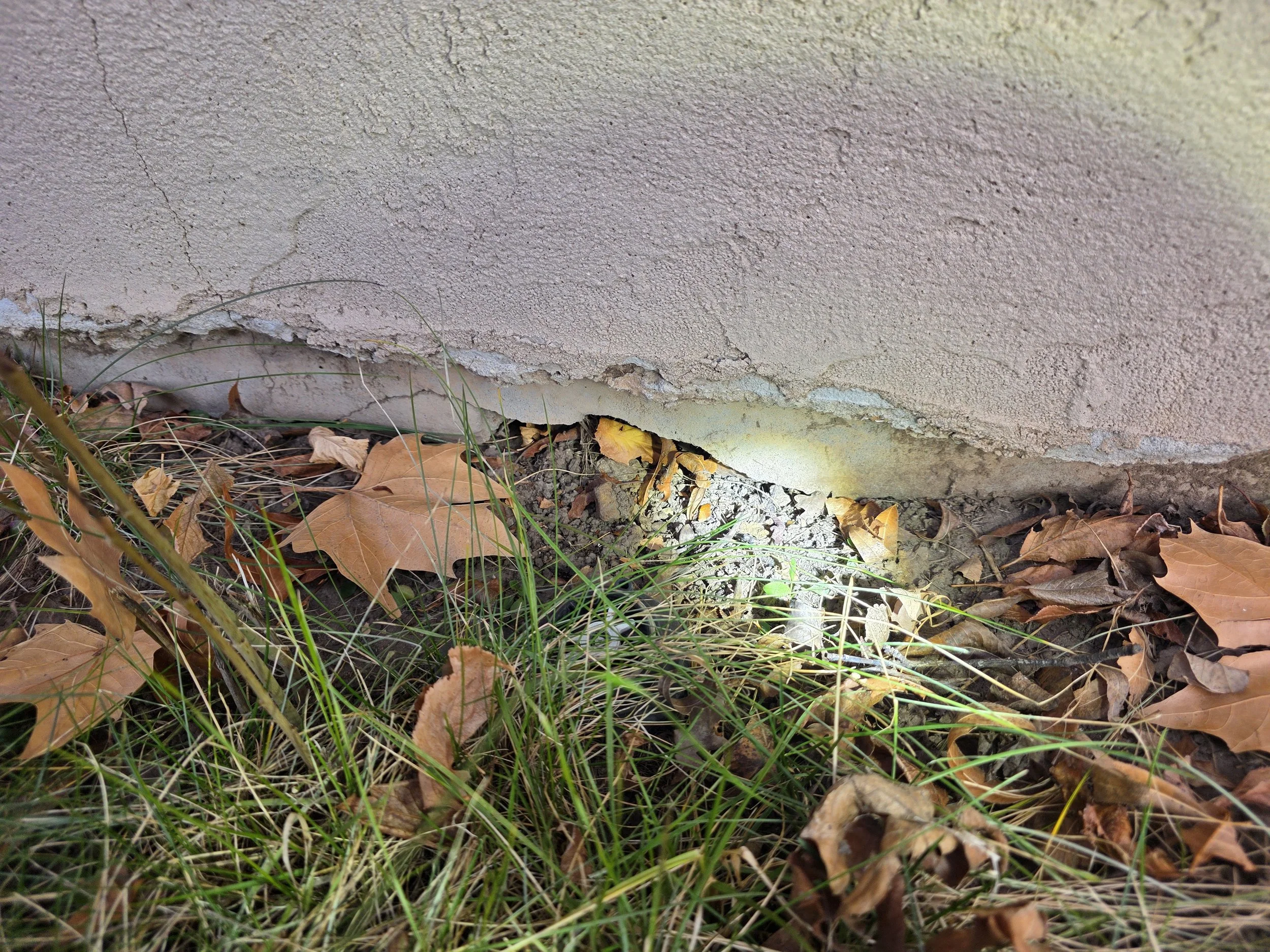
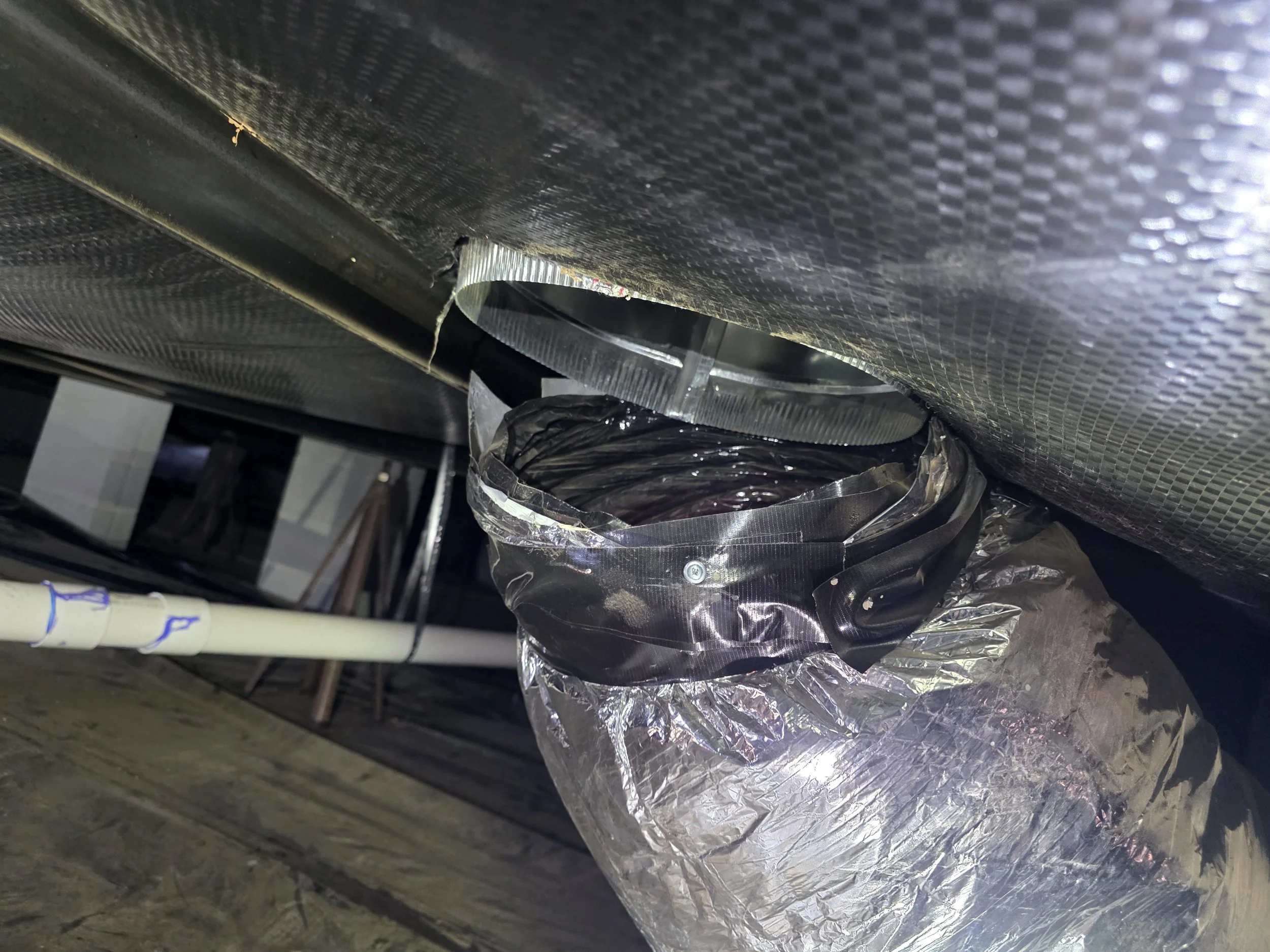
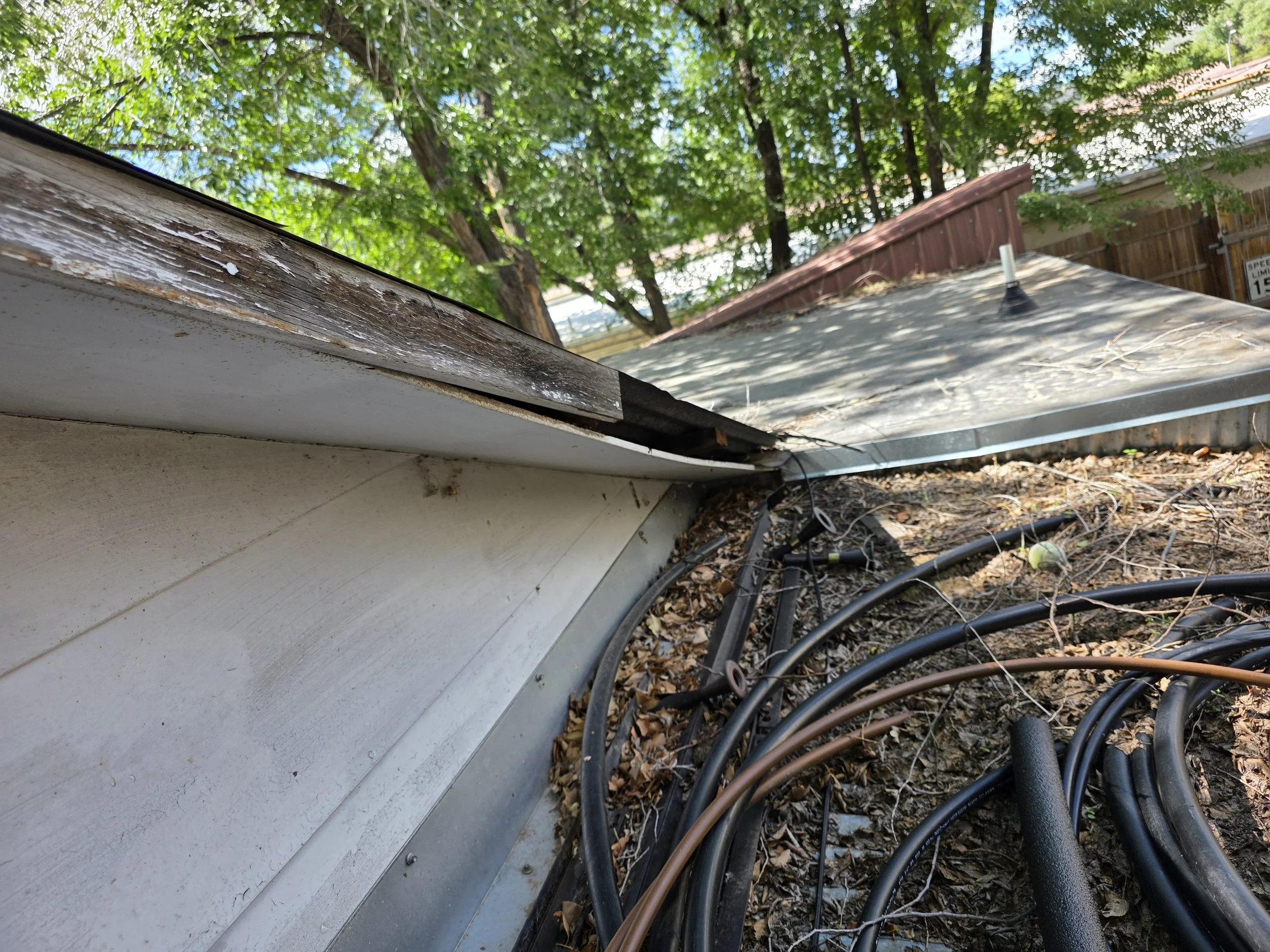
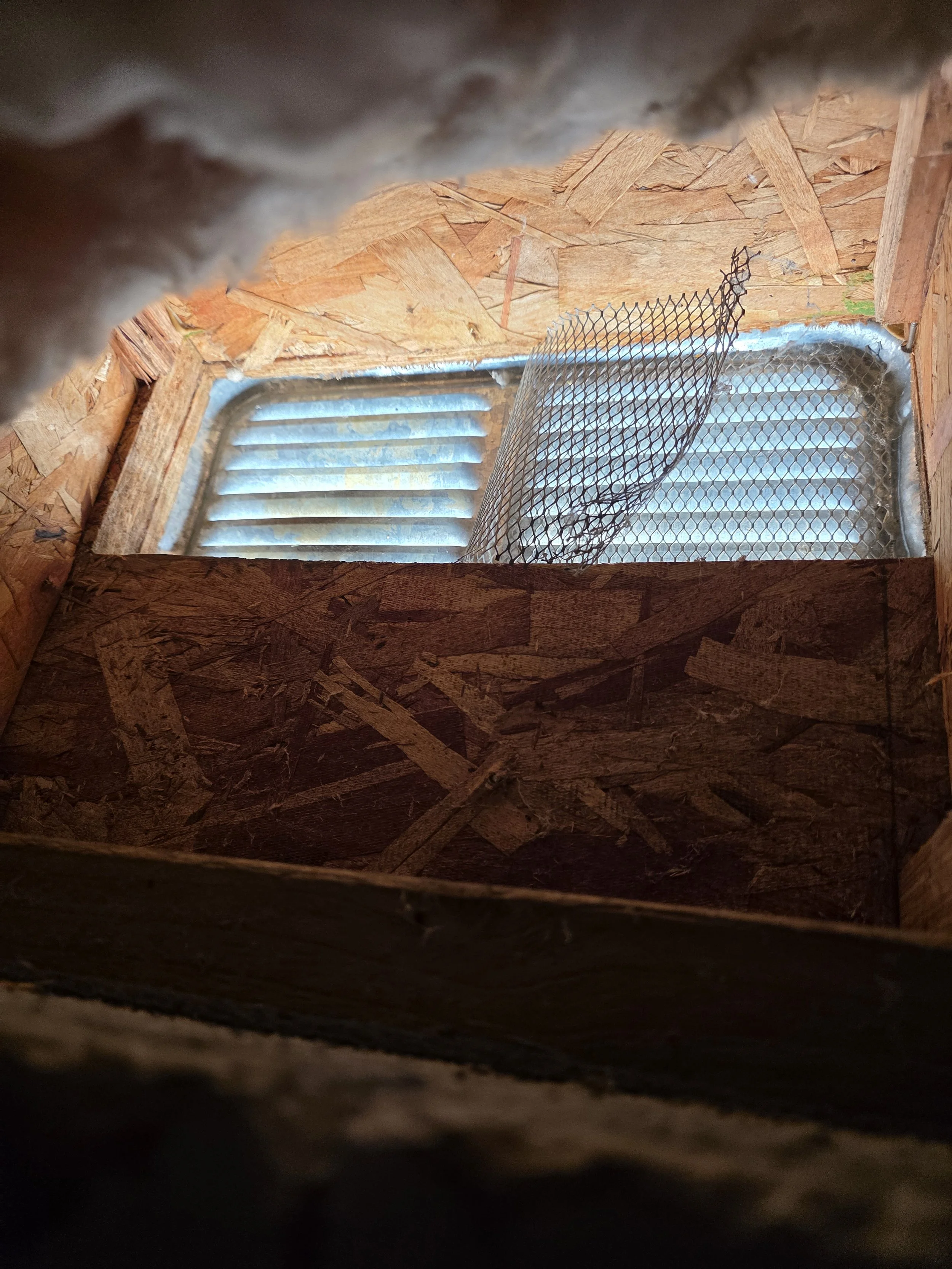
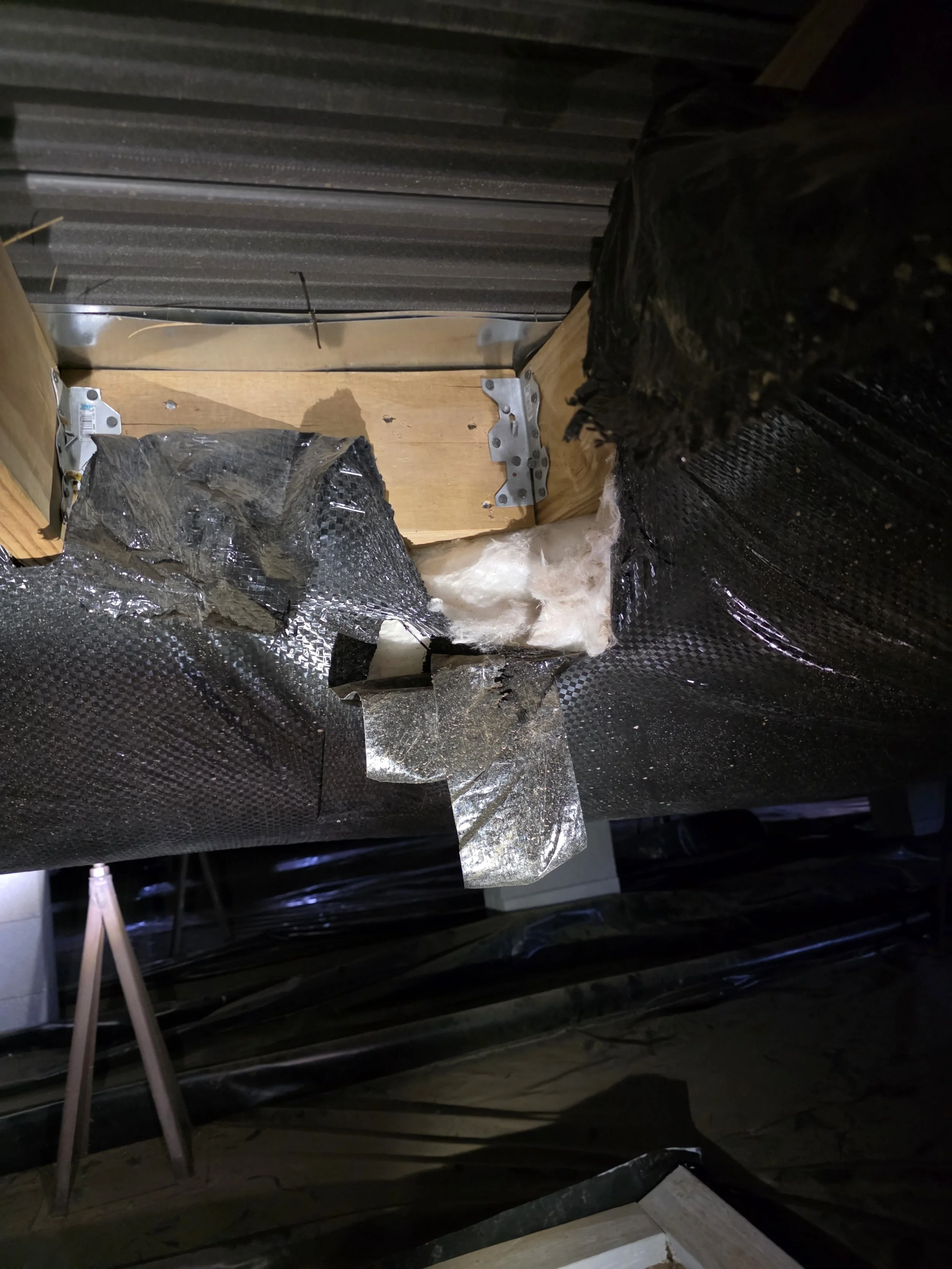
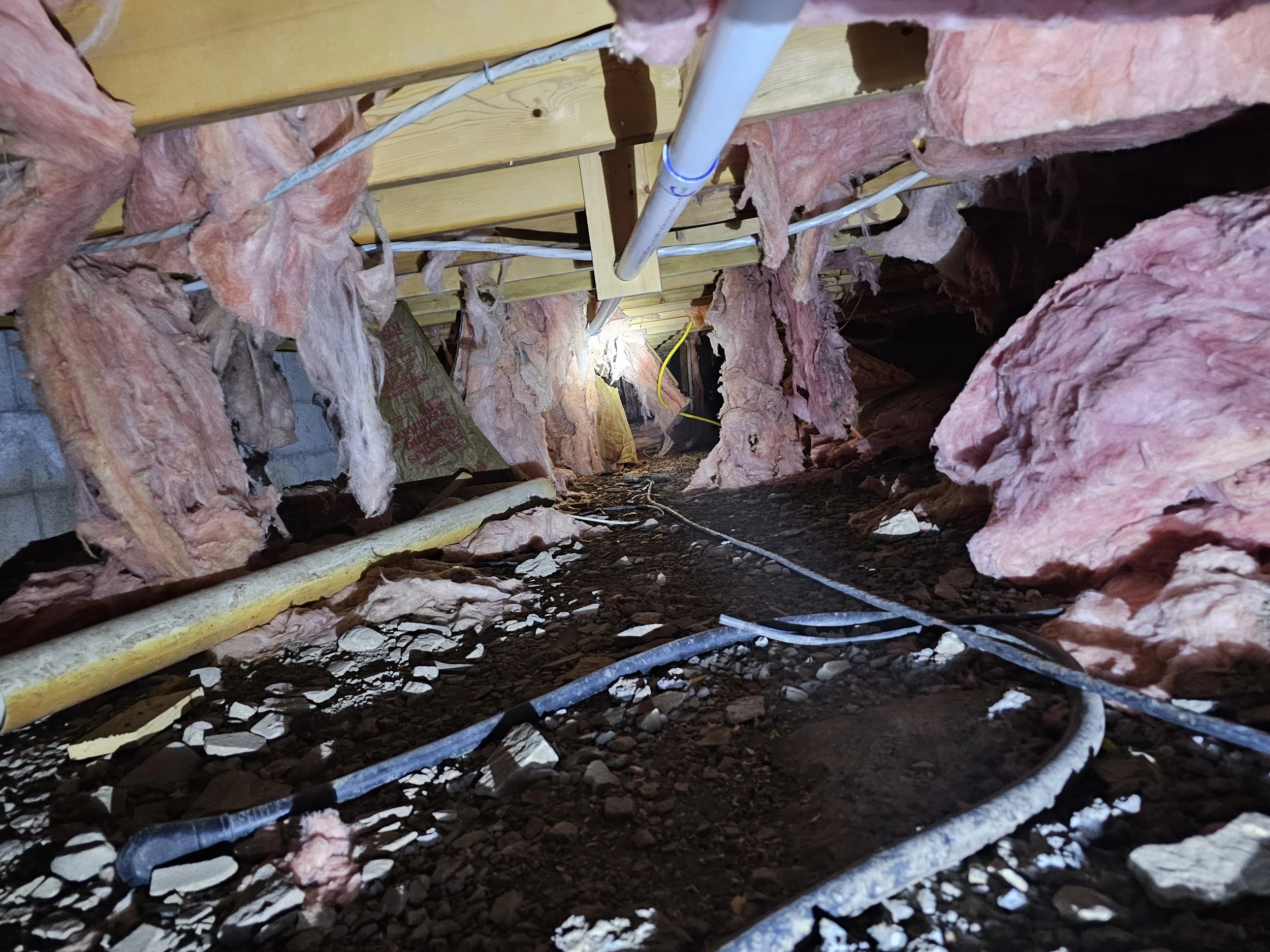
These are photos from actual jobs across the Durango area — not stock images. Every one of these was an active entry point a homeowner didn't know existed.
Rodent Species in Durango & La Plata County
Different species behave differently — how they enter, where they nest, and how you stop them varies. Correct identification before treatment matters.
Pack Rats
Neotoma spp. — Most Common in DurangoThe dominant rodent nuisance in the Durango area. Pack rats are large, destructive, and persistent. They cache food and debris in roof eaves, engine compartments, crawlspaces, and attics. They'll shred insulation, chew wiring, and haul in sticks, cactus, and debris. Common in both rural La Plata County properties and in-town Durango homes. They will reenter through any gap larger than a nickel.
Deer Mice
Peromyscus maniculatus — Hantavirus RiskThe most widespread mouse species in La Plata County. Deer mice are the primary carrier of hantavirus in the Four Corners region — an area with historically elevated hantavirus incidence. They enter through gaps as small as a dime, nest in insulation and wall voids, and contaminate surfaces with urine. Any crawlspace mouse infestation in this region should be treated as a potential hantavirus exposure risk.
House Mice
Mus musculus — Year-Round PressureHouse mice follow warmth and food. In Durango, they move indoors in fall and establish nests in wall voids, cabinets, and insulation. They breed rapidly — a single pair can produce over 50 offspring in a year. Exclusion of entry points is the only permanent solution; trapping without sealing is an indefinite commitment.
Norway Rats
Rattus norvegicus — BurrowersNorway rats are burrowers. They tunnel under foundations, decks, and slabs. Common around Durango properties with compost, chicken coops, or stored grain. They can push through surprisingly small gaps and will quickly exploit any structural weakness at or below grade. Their burrows also compromise foundation integrity and attract other wildlife.
Roof Rats
Rattus rattus — Aerial EntryRoof rats travel along utility lines, fence tops, and tree branches to access homes from above. They enter at roofline gaps, fascia board voids, and any elevated penetration. Common in neighborhoods with mature tree canopy. Their presence in Durango's older residential areas is underreported — homeowners often hear them in the attic without realizing what species they're dealing with.
Voles & Pocket Gophers
Microtus spp. / Thomomys spp. — ExteriorCommon on rural La Plata County properties, hobby farms, and irrigated landscapes. Voles create surface runways through grass and gnaw root systems. Pocket gophers create underground tunnel systems and mound networks that can destabilize landscaping and irrigated areas. Both are active year-round under snow cover.
Common Entry Points We Find on Durango Homes
These are the gaps other companies miss — or don't bother to find because their business model doesn't require a permanent fix.
Utility Penetrations
Every pipe, wire, and conduit that passes through your exterior wall is a potential entry. Gaps around plumbing stacks, electrical conduit, HVAC lines, and dryer vents are among the most exploited points we find.
Foundation Vents
Crawlspace vents with degraded screens, improper hardware cloth, or no backing material are open invitations. Pack rats will pull back loose screens. Mice need only a small gap in the mesh.
Stem Wall Gaps
Where the framed wall meets the concrete stem wall is one of the most common entry zones in Durango's construction style. Gaps here are often invisible from above but obvious from inside the crawlspace.
Roofline & Fascia
Deteriorated fascia boards, gaps at the roof edge, and open eave returns allow roof rats and pack rats to access attics directly. Most homeowners never look here.
Deck & Porch Framing
The space under decks and porches is prime pack rat territory. They often enter the home proper through the framing where decks attach to the house — a zone rarely sealed in original construction.
HVAC & Dryer Vents
Vent covers that don't fully close, flaps stuck open, or screens missing from the exterior allow entry at the duct opening. Rodents will work these consistently once they discover the warmth.
Garage Door Gaps
Standard residential garage door seals leave gaps at the corners and along the bottom that mice pass through without effort. Rarely addressed in conventional pest control.
Prior Repairs Done Wrong
One of the most common things we find is a previous seal attempt — foam, caulk, or lightweight mesh — that rodents simply chewed through. We remove ineffective materials and replace with chew-resistant solutions.
How We Permanently Seal Your Home
Every seal-out appointment is a complete structural solution — not a partial treatment that leaves the next entry point for next month's visit.
Full Structural Inspection
Complete inspection of the crawlspace, attic, roofline, foundation perimeter, and every utility penetration. We use thermal imaging, borescope cameras, and specialized lighting to find active entry points that a flashlight and a walk-around won't reveal.
Activity Assessment
We identify active vs. historical entry points, determine which species are present, assess the extent of nesting and contamination, and map the travel routes rodents are using inside the structure. This shapes everything that follows.
Professional Seal-Out
Every active entry point is sealed using galvanized steel mesh, copper, or bronze materials that rodents cannot chew through. Exterior-grade sealants over structural patches. We don't use foam alone. We don't use lightweight screen. We use what works.
Trapping Where Needed
For active interior infestations, trapping is deployed alongside or following the seal-out to eliminate rodents already inside. We use tamper-resistant, poison-free trap options wherever possible — especially important on properties with pets, children, or livestock.
Sanitation & Remediation
Where nesting material, feces, and urine contamination are present — particularly in crawlspaces — we offer full sanitation using industrial-grade enzyme cleaners that neutralize hantavirus-risk material and eliminate odors that attract new rodents.
Documented & Complete
You receive a full record of every entry point found, every seal location, products used, and what to watch for going forward. CDA-compliant documentation on every job. Most homes are finished in a single visit with no follow-up required.
Why Durango Homeowners Call Us First
Exclusion Is Our Specialty
Most pest companies offer exclusion as an add-on. It's the core of everything we do. Our entire service model is built around the permanent structural fix — not the recurring management plan. We are the rodent exclusion specialists in the Four Corners. Full stop.
We Use the Right Materials
Foam fails. Lightweight screen fails. We seal with galvanized steel mesh, copper, and bronze — materials rodents physically cannot chew through. Every material we use has a specific purpose and is installed correctly. The repair looks professional and lasts.
We Actually Get Into the Crawlspace
Durango's crawlspaces can be tight, wet, or full of debris from years of deferred maintenance. We go where the entry points are — not where it's convenient. The photos on this page are from real jobs, real crawlspaces, real conditions we navigated to find the problem.
One Visit. Done.
No monthly service. No quarterly follow-up required. We build our work around solving the problem completely on the day of your appointment. If a follow-up is genuinely needed, we'll tell you — but we're not structured to manufacture them.
Hantavirus-Aware Sanitation
The Four Corners region has some of the highest historical hantavirus incidence in the country. Deer mice are the primary vector and they're common throughout La Plata County. We take crawlspace sanitation seriously — proper PPE, enzyme-based treatment, and correct disposal of contaminated materials.
Veteran-Owned, Locally Accountable
This is Jered's business, Jered's reputation, and Jered's community. When you call us, you reach the owner. When work is done, it's done by someone who stands behind it personally — not a rotating crew managed by a franchise at arm's length.
Rodent Exclusion Across The Four Corners
Primary service area covers Durango and approximately 20 miles in all directions, including all of La Plata County. Extended service throughout the broader Four Corners region for larger properties and existing clients.
Rodent Removal FAQ
What's the difference between exclusion and trapping?
Trapping removes rodents that are currently inside your home. Exclusion removes the reason they can keep getting in. Without sealing entry points, trapping is a maintenance activity — not a solution. New rodents move into vacated territory fast, especially for species like pack rats and house mice that mark territories with scent. We do both when needed, but exclusion is the permanent fix.
How small of a gap can a mouse get through?
A house mouse can squeeze through a gap the size of a dime — roughly 6mm. Deer mice are similar. Norway rats need approximately a quarter-size opening. Pack rats are larger but will chew any gap that's close to workable. This is why a thorough inspection using proper tools matters — what looks sealed to the eye often isn't.
Is there a hantavirus risk in Durango crawlspaces?
Yes — the Four Corners region has historically elevated hantavirus incidence compared to the rest of the country. Deer mice, which are common throughout La Plata County, are the primary carrier. Dry crawlspace debris, disturbed nesting material, and rodent feces and urine can all carry the virus. Any crawlspace with rodent activity should be treated carefully, with proper PPE and enzyme-based sanitation after removal. We handle this correctly.
Do you offer poison-free rodent removal?
Yes. We offer poison-free rodent mitigation for properties with pets, children, livestock, or raptors and owls on the property. Rodenticide use has documented secondary poisoning effects on predatory birds and mammals that eat poisoned rodents. We prefer mechanical exclusion and trapping on almost all residential jobs. If bait is appropriate for a specific situation, we'll discuss it with you explicitly — we don't default to it.
Can you work on a property with horses, chickens, or other livestock?
Yes. Rural properties with livestock are some of our most common jobs. Stored grain, hay, water troughs, and animal feed create persistent rodent pressure that suburban rodent control companies aren't equipped to address properly. We work around animals, water sources, and feed storage with appropriate products and placement.
What materials do you use for sealing entry points?
Galvanized steel mesh, copper, and bronze are our primary materials — all of which rodents cannot chew through. We also use exterior-grade, non-shrinking sealants over structural repairs. We do not rely on spray foam alone. Foam is easy to chew through and frequently fails within a season. If you've had a previous company seal your home and the rodents came back, this is likely why.
How long does a seal-out appointment take?
Most single-family Durango-area homes are completed in one visit, typically three to six hours depending on the size of the home, crawlspace conditions, and the number of entry points found. We don't rush the inspection to hit a time budget — the thoroughness of the inspection is what determines whether the job actually works.
Hearing Scratching in the Walls?
Trapping alone won't fix it. Call the Durango exclusion specialist who finds every entry point and seals your home for good. Veteran-owned. No contracts. Licensed and insured.
970-694-8280 Call the WildmanPLEASE SEE THE PHOTOS BELOW FOR SOME EXAMPLES OF WHAT WE FIND AND THE WORK WE DO. WE WILL SOLVE YOUR RODENT ISSUE. WE GO WHERE THE OTHER GUYS WONT AND DO WHAT THE OTHER GUYS DONT.